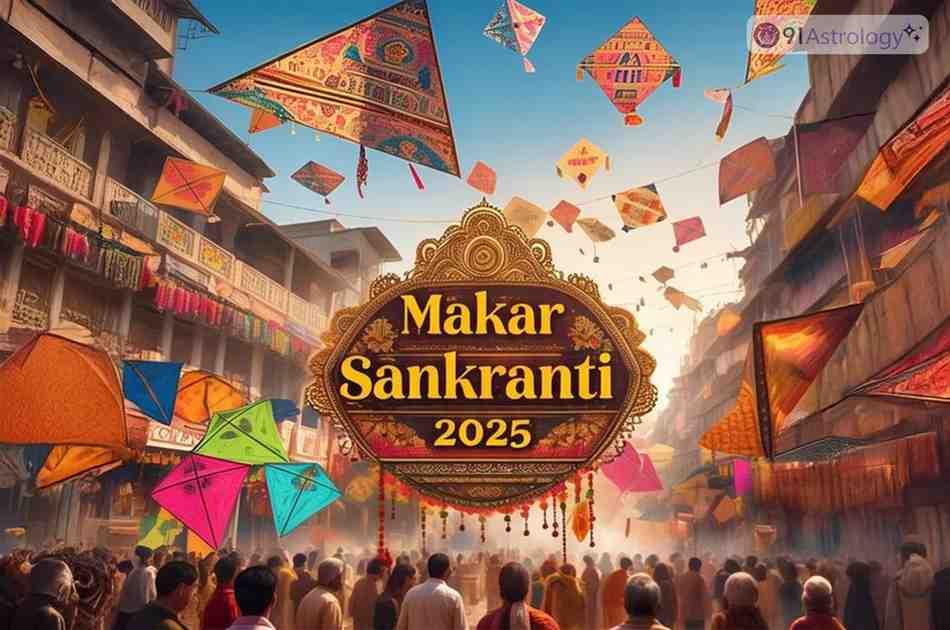



In 2025, Makar Sankranti will be celebrated on January 14. It is one of the most significant harvest festivals celebrated in India. It marks the transition of the sun into the zodiac sign of Capricorn (Makar) and signifies the end of the winter solstice. This festival is celebrated with great enthusiasm across the country, albeit with different names and customs in various regions. Let us tell you more about Makar Sankranti.
Why do we Celebrate Makar Sankranti: The Origin
The origins of Makar Sankranti can be traced back to ancient Hindu scriptures. It is believed to have been celebrated since the Vedic period, making it one of the oldest festivals in India. The festival is associated with various mythological tales, including the story of Lord Vishnu defeating the demon king Sankarasur, symbolizing the victory of good over evil.
Another popular legend relates to the sun god, Surya, who is said to visit his son Shani (Saturn) during this time, as Shani rules over the zodiac sign Capricorn. The festival also marks the beginning of the harvest season in many parts of India, making it a time of gratitude for the bountiful crops.
Significance of Makar Sankranti
Makar Sankranti holds immense significance in Hindu culture. It symbolizes the end of darkness and the beginning of light. The festival is seen as an auspicious time for new beginnings, making it a popular occasion for weddings and other important life events. The day is also dedicated to honoring ancestors and performing rituals to seek blessings for prosperity and good fortune. People believe that taking a holy dip in rivers, especially the Ganges, during Makar Sankranti purifies the soul and washes away sins.
How is Makar Sankranti Celebrated?
Makar Sankranti is celebrated in various ways across India, with each region having its unique customs and traditions. Here are some notable celebrations:
Pongal in Tamil Nadu: In Tamil Nadu, Makar Sankranti is celebrated as Pongal, a festival that lasts four days. The main event is cooking a special dish made from new rice, jaggery, and milk in clay pots outside. Families decorate their homes with colorful designs called kolams (rangoli) and pray to the sun god.
Uttarayan in Gujarat: In Gujarat, Makar Sankranti is called Uttarayan and is famous for kite-flying contests. The sky fills with colorful kites as people compete to cut each other's kites. Friends and family share traditional sweets like tilgul, which are made from sesame seeds and jaggery.
Magh Mela in Allahabad: In Uttar Pradesh, Makar Sankranti happens at the same time as the Magh Mela in Allahabad (Prayagraj). Many people visit the meeting point of the Ganges, Yamuna, and Saraswati rivers to take a holy bath and join in religious activities. The place is lively with cultural performances, fairs, and spiritual talks.
Khichdi Mela in Bihar: In Bihar, people celebrate Makar Sankranti by making khichdi (a dish of rice and lentils) and offering it to their ancestors. The day includes community gatherings where people enjoy traditional food and celebrate together.
Sankranti in Maharashtra: In Maharashtra, Makar Sankranti is celebrated with enthusiasm. People make tilgul (sesame sweets) and share them as a sign of goodwill and friendship. Women often come together to sing traditional songs and dance.
Common Rituals and Customs: How to Celebrate
Makar Sankranti includes various rituals that differ by region, but some common practices are:
• Bathing in Sacred Rivers: Many people believe that taking a holy bath in rivers is lucky on this day. They often travel to important rivers like the Ganges, Yamuna, or Godavari to cleanse themselves spiritually.
• Offering Prayers: People pray to Lord Surya (the sun god) for good health, wealth, and happiness. Special ceremonies called pujas are done at home or in temples.
• Sankranti Pooja: Families create small altars with pictures or idols of gods and offer seasonal fruits, sweets, and other foods as prasad (offerings).
• Flying Kites: In states like Gujarat, kite flying is a big part of Makar Sankranti. Families and communities come together to compete in cutting each other's kites.
• Feasting: Traditional foods are an important part of the celebrations. Dishes made with sesame seeds, jaggery, rice, and lentils are often prepared, with each region showcasing its local specialties.
Makar Sankranti is more than just a festival; it embodies cultural heritage, agricultural significance, and spiritual values. As we celebrate this festival in 2025 on January 14th, let us embrace its essence by connecting with our roots, sharing joy with others, and expressing gratitude for nature's blessings. Whether through traditional rituals or modern festivities, Makar Sankranti offers an opportunity for reflection, celebration, and community bonding that resonates deeply within our hearts.