



Lohri, a vibrant and joyous festival celebrated primarily in Punjab and other parts of North India, marks the end of winter and the beginning of the harvest season. It is a time of enjoyment, dance, music, and community gatherings. In 2025, Lohri will be celebrated on January 13th, coinciding with the sun's transition into the zodiac sign Capricorn. This article delves into the rich history, cultural significance, rituals, and celebrations associated with Lohri. Foods like jaggery, gachak, and rewri play a key role in Lohri celebrations, along with peanuts, popcorn, and sesame seeds.
History: Why we celebrate Lohri
The origins of Lohri can be traced back to ancient agrarian societies in India. The festival is believed to be rooted in the harvest season when farmers celebrate the end of winter and the onset of longer days. Traditionally, Lohri is associated with sugarcane harvest and jaggery (gur) preparation, which is made from sugarcane juice.
One popular legend surrounding Lohri is that of Dulla Bhatti, a folk hero who is often referred to as the "Robin Hood of Punjab." According to folklore, Dulla Bhatti rescued a couple of girls from being forcibly taken away by a Mughal governor. To honor his bravery and selflessness, people began singing songs about him during Lohri celebrations. This connection with Dulla Bhatti has made Lohri not just a harvest festival but also a celebration of love, courage, and community spirit.
Significance of the Lohri Festival
Lohri holds immense significance for farmers and agricultural communities. It symbolizes abundance and prosperity as it marks the time when crops are ready for harvest. The festival is particularly associated with sugarcane, which signifies sweetness in life. The bonfire lit during Lohri represents warmth and light, driving away the cold winter nights. In addition to its agricultural significance, Lohri also serves as a social occasion for families and communities to come together. It fosters a sense of unity and belonging as people gather around bonfires to celebrate their shared heritage and cultural identity.
Rituals and Traditions
As the sun sets and the warmth of the bonfire radiates through the chilly night, the air fills with laughter and joy, marking the festive spirit of Lohri!
1. Bonfire Lighting: The most iconic aspect of Lohri is the bonfire, which is lit in the evening. People gather around it to sing traditional songs, dance Bhangra and Gidda, and offer prayers for prosperity. The bonfire symbolizes the sun's return and the end of winter.
2. Offering Prayers: As the bonfire burns, people throw sesame seeds (til), jaggery (gur), sugarcane pieces, and popcorn into the flames as offerings to Agni, the fire god. This act is a way to express gratitude for the harvest and seek blessings for future abundance.
3. Traditional Songs and Dances: Singing folk songs related to Lohri is an integral part of the celebration. Songs often narrate tales of Dulla Bhatti and other local legends. Bhangra and Gidda are traditional dances performed around the bonfire, showcasing vibrant costumes and energetic moves.
4. Feasting: Food plays a central role in Lohri celebrations. Families prepare traditional dishes such as makki di roti (cornbread), sarson da saag (mustard greens), and sweets made from jaggery and sesame seeds. Sharing food with friends and family enhances the sense of community.
5. New Beginnings: Lohri is also a time for new beginnings. It is common for families to celebrate the birth of a child or a recent marriage during this festival. Special prayers are offered for health, happiness, and prosperity in the coming year.
Celebrations Across Regions
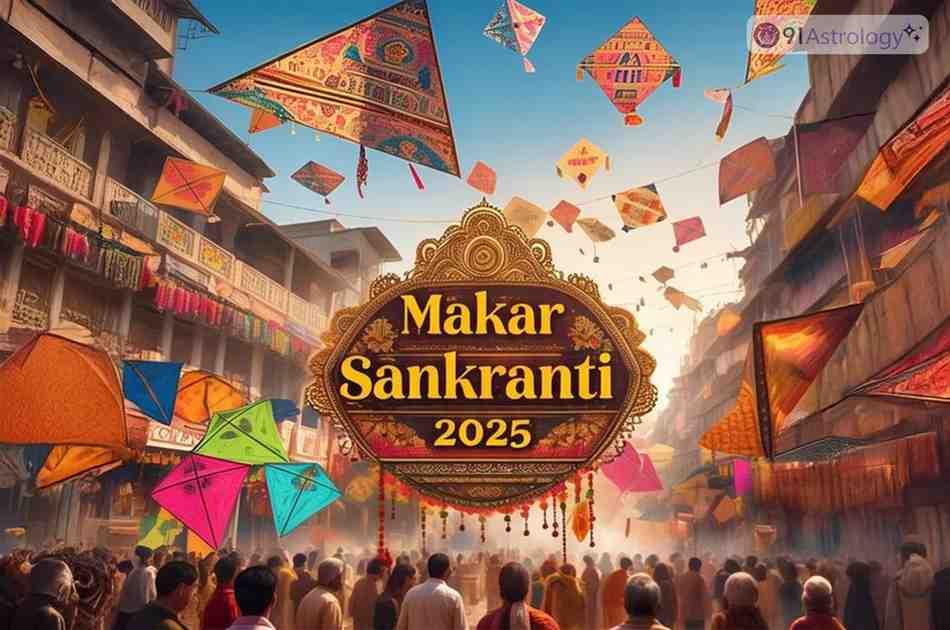
While Lohri is predominantly celebrated in Punjab, its significance has spread to various regions across India and even among Punjabi communities worldwide. In urban areas, celebrations often take on a modern twist with parties and events organized in homes or community centers. In some regions, Lohri is celebrated alongside Makar Sankranti or Pongal, which are also harvest festivals observed in different parts of India. This confluence of traditions enriches the overall experience as families engage in various cultural practices.
Lohri is more than just a festival; it embodies the spirit of togetherness, gratitude, and joy. As we approach Lohri 2025 on January 13th, families across India will gather to celebrate this age-old tradition with enthusiasm and fervor. The bonfires will blaze brightly, illuminating the night sky as people sing, dance, and share delicious food.
As we prepare to celebrate Lohri in 2025, let us embrace its essence by fostering unity, spreading joy, and expressing gratitude for the abundance that life offers. Happy Lohri!