



If you are staring at 14 May 2026 on your Panchang (Vedic almanac) and wondering, do I really have to fast again on Krishna Dwadashi, here is the straight answer: no, you do not have to. Dwadashi is the 12th Tithi (lunar day) and, in the Krishna Paksha (waning phase), it traditionally supports Parana (fast-breaking) after Ekadashi, along with gentle worship of Shri Vishnu. For many of you balancing office pressure, family schedules, and summer heat, a second hard fast is neither practical nor required. Today I will show you why Dwadashi fasting is not mandatory and exactly what to do instead. You will get simple 14 May rituals you can follow, step-by-step puja vidhi (method of worship) without strain, and three meaningful spiritual practices that carry the same bhava (devotional intent) as a strict fast. I will also cover when health and fasting clash, and how to keep the day auspicious without guilt. If you like precision, check your city’s Tithi and sunrise on 91Astrology.com so you time your worship right. By the end, you will have a clear, compassionate plan for Krishna Dwadashi 2026 that respects shastra and your body.
14 May Ko Krishna Dwadashi Ka Mahatva Kya Hai?
Krishna Dwadashi 2026, falling on 14 May as per most regional calendars, comes right after Ekadashi. In shastra, Ekadashi emphasizes upavasa (fasting/withholding), while Dwadashi emphasizes Parana (mindful fast-breaking), Vishnu smaran (remembrance of Lord Vishnu), and seva (service). Think of Dwadashi as integration day: you convert intention into grounded action. Tithi means the lunar day; Nakshatra is the lunar mansion; and Muhurat is the auspicious window. Because Tithi observance can shift by location, always verify your city’s Panchang on 91Astrology.com before fixing your schedule. Why is this an auspicious day? The 12th Tithi is ruled by Vishnu tattva (preservation), encouraging steadiness, nourishment, and sattva (clarity). The classic practice on Dwadashi is Tulsi archana (offering Tulsi leaves), light annadaan (feeding others), and gratitude for sustenance. If you observed Ekadashi, you close the vrata respectfully on Dwadashi, typically after sunrise with a simple Parana. If you did not observe Ekadashi, you still receive punya (merit) on Dwadashi through worship and charity without imposing a new hard fast. For householders (grihastha), sages clearly prioritized balanced living over extremes. A calm morning snan (bath), a short sankalp (intention-setting), Vishnu mantra japa, Tulsi offering, and feeding someone in need align you to the essence of the day. This approach keeps the spirit of Ekadashi-Dwadashi intact without straining your health or schedule. In short: nourish body and soul, thank the Divine for food, and radiate steadiness in your home.
Fasting Kyon Nahi Hai Zaroori Is Dwadashi Par?
Here is where most people get confused. Dwadashi fasting is not the core instruction; Dwadashi is the day to perform Parana if you kept Ekadashi. The spirit is balance. After withholding on Ekadashi, you offer gratitude by breaking fast mindfully on Dwadashi and sharing food as seva. Forcing a second-day nirjal (no-water) fast is neither required nor recommended for householders, the elderly, or anyone with medical conditions. Classical guidance consistently places intent (bhava) above sheer austerity. In Kali Yuga, maintaining sattva in everyday duties is counted higher than extremes that disturb health or mind. If you missed Ekadashi, do not punish yourself with Dwadashi fasting. Instead, keep the day clean and devotional: no onion, no garlic, no alcohol, and a simple satvik meal—this aligns with the vrata’s essence more than a stressed-out fast. There are also practical reasons. May heat, work schedules, medication times, and family responsibilities can clash with a second-day fast. Dharma adapts to capacity. If you are on regular medication, managing diabetes, navigating pregnancy, or prone to acid reflux, a hard fast can backfire. Use Dwadashi to stabilize—not to destabilize—your system. So what to do? Choose lighter food, chant Vishnu mantras, offer Tulsi, and do annadaan. These simple actions are spiritually equivalent on this Tithi. If your mind still wants tapas (austerity), do a partial vrata: skip salt at dinner, or keep only khichdi in the evening, or practice digital minimalism for a day. Your sincerity counts more than suffering.
3 Spiritual Practices Jo Aap Kar Sakte Hain Fasting Ke Bina
You can make Krishna Dwadashi 2026 powerful without touching a hard fast. Try these three spiritual practices that carry solid shastra-backed merit and are practical on a weekday. 1) Vishnu Japa with Tulsi Archana: After bath, sit facing east. Light a ghee diya. Offer a small water arghya and place three Tulsi leaves before a Vishnu photo or Shaligram if you have one. Chant 'Om Namo Bhagavate Vasudevaya' 108 times using a Tulsi mala. Then chant 'Om Namo Narayanaya' 108 times. If time allows, read Vishnu Sahasranama or the Gajendra Moksha episode for 12–15 minutes. Keep your phone off. This anchors the mind and completes the devotional circuit. 2) Annadaan and Gau-seva: Cook a simple khichdi (about 1.2 kg rice with 600 g moong dal) and feed at least five people, security staff, or anyone in need. As part of 14 May rituals, donate chana dal 1 kg, gud (jaggery) 500 g, rice 2 kg, and curd 500 g to a temple or community kitchen. If cows are accessible, feed two rotis smeared with ghee and a bit of gud. Annadaan on Dwadashi is praised for stabilizing finances and health karma. 3) Satvik Living Sankalp for the Day: No onion, no garlic, no alcohol, no anger. Keep your dinner light, like curd-rice or khichdi, and observe 12 minutes of maun (silence) post-sunset. Offer one act of service at home—cleaning the pooja space or helping a family member. Close the day with 11 repetitions of the Narayana Gayatri: 'Om Narayanaya Vidmahe Vasudevaya Dhimahi Tanno Vishnuh Prachodayat'. You can check your personalized prediction and suitable mantra counts based on your Moon Nakshatra on 91Astrology.com.
Kya Aapke Health Ke Liye Fasting Harmful Ho Sakta Hai?
Let us be real about health and fasting. May is hot. Many of you work long hours, some manage diabetes, hypertension, acidity, thyroid, or are on regular medication. For you, a second-day fast on Dwadashi can cause hypoglycemia, dehydration, headaches, mood swings, and rebound overeating at night. Shastra never asked you to harm yourself. It asked you to cultivate sattva. If a practice raises agitation (rajasic) or lethargy (tamasic), it misses the point. Who should avoid Dwadashi fasting: insulin-dependent diabetics, pregnant or lactating women, seniors with low BP, anyone on steroids/antibiotics, those with gastric ulcers, kidney disease, or a history of fainting during fasts. If you wish to keep a partial vrata, do phalahar (fruits) plus fluids: coconut water 2 servings, soaked almonds 6–8, banana 1–2, homemade lime water with a pinch of sendha namak, and curd or buttermilk. Avoid black coffee on an empty stomach; it spikes acidity. Watch for red flags: dizziness, blurry vision, nausea, palpitations, extreme irritability. If any shows up, break with dates (2–3), water, and a small bowl of curd-rice. For Pitta-dominant people (prone to heat, acidity), long Summer fasts are counterproductive—choose mitahara (moderate eating) instead. If anxiety rises easily, hold a small Pearl (Moti) mala during japa, or wear a Tulsi mala. Gemstones can help but must match your Kundli (birth chart). Do not self-prescribe a heavy stone on Dwadashi just because it is an auspicious day. Use the day to soothe, hydrate, and keep manas (mind) calm.
14 May Ko Kaunse Puja Vidhi Apna Sakte Hain?
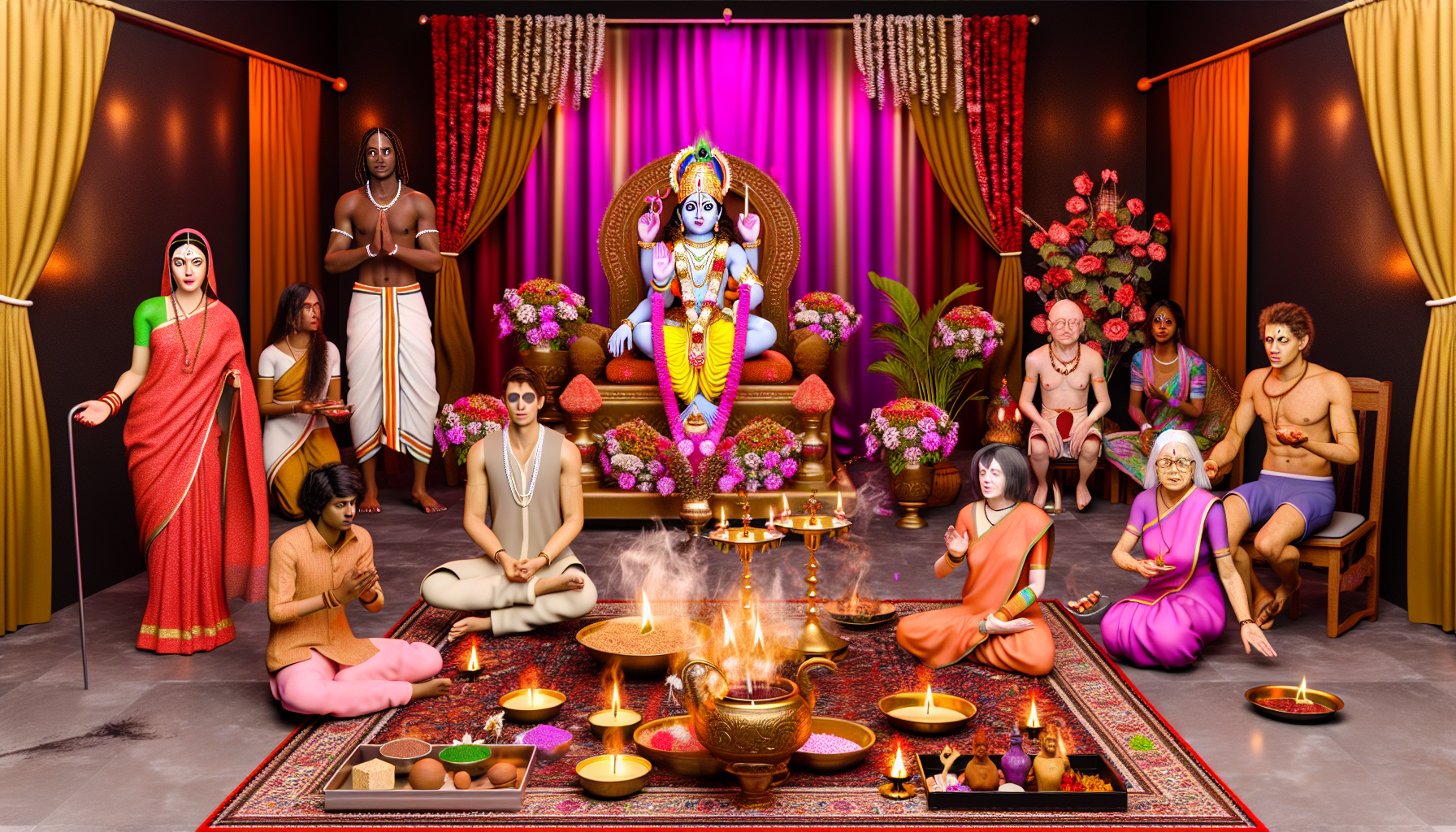
Here is a clear, doable puja vidhi for 14 May Krishna Dwadashi that works even if you are not fasting. Morning (after sunrise): 1) Snan (bath) and sankalp: 'I offer today’s worship to Shri Vishnu for sattva, health, and gratitude for food.' 2) Altar: Clean a small space, place a Vishnu photo or Shaligram, a Tulsi sprig, yellow or white flowers, a diya with cow ghee, and a small water lota. 3) Offer Panchamrit (milk, curd, honey, ghee, sugar)—even a symbolic teaspoon set is fine. 4) Light the diya, do dhoop, and offer 12 Tulsi leaves with simple names of Vishnu like 'Govinda', 'Madhusudana', 'Vasudeva'. 5) Japa: 'Om Namo Bhagavate Vasudevaya' 108 times; 'Om Namo Narayanaya' 108 times. 6) Read a page from Vishnu Sahasranama or the Gita’s 12th chapter (Bhakti Yoga) for 8–10 minutes. 7) Naivedya: offer kheer, sweet poha, or a small banana-prasad and then distribute. Parana guidance: If you kept Ekadashi, break your fast on Dwadashi after sunrise with water touched by a Tulsi leaf, a small piece of gud, and a light satvik meal (khichdi, curd-rice). Do not overeat; keep it grateful and simple. If you did not fast, follow the same worship and keep meals clean. Evening Sandhya: Light a ghee diya, chant Narayana Gayatri 21 times, and sit in silence for 5 minutes. As part of 14 May rituals, donate chana dal 1 kg, rice 2 kg, gud 500 g to a temple or a needy family. Gemstone note for those who truly need it (only after checking your Kundli): If Guru (Jupiter) is your lagna lord or strong and benefic, you may energize a Yellow Sapphire (Pukhraj) 4.5–5.25 ratti in 22k gold on this altar by chanting 'Om Graam Greem Graum Sah Gurave Namah' 108 times today, and wear it on a suitable Shukla Paksha Thursday at sunrise. For Moon-related anxiety, energize a Pearl 5.25 ratti in silver with 'Om Som Somaya Namah' 108 times; wear on a Monday waxing phase at sunrise after consulting. You can check your personalized gemstone suitability on 91Astrology.com.
Is Dwadashi Par Kaunse Galatfahmiyan Hain Jo Dur Karni Chahiye?
Let us clear common myths so you can keep the day pure and peaceful. Myth 1: You must do Dwadashi fasting or it is sinful. Reality: The core of Dwadashi is Parana after Ekadashi, Tulsi archana, and charity. Fasting again is not mandatory. Myth 2: Nirjal is superior to all. Reality: Health and fasting must align. Dehydration or hypoglycemia is not tapas; balanced sattva is. Choose fluids or a partial fast if you truly wish to add restraint. Myth 3: Women on periods cannot pray. Reality: Simple smaran, mantra japa, and offering flowers or Tulsi are absolutely fine. Keep it simple and respectful. Myth 4: You must not eat grains the entire day. Reality: If you fasted on Ekadashi, Dwadashi is for mindful Parana with grains, traditionally to honor sustenance. If you did not fast, keep meals satvik and light. Myth 5: If you skipped Ekadashi, you must compensate with a harder Dwadashi. Reality: Shastra values intention. Do charity, japa, and gentle puja vidhi. No guilt trips. Myth 6: Every household must do a big temple puja to make it count. Reality: A clean home altar, ghee diya, and sincere chanting carry full spiritual weight when done with devotion. Myth 7: Expensive daan is needed for punya. Reality: Thoughtful annadaan—khichdi, rice, dal, gud—done with humility is perfect. Treat 14 May as an auspicious day to stabilize your mind and routine. Keep it heartfelt, clean, and kind. Get your free Kundli on 91Astrology to see exactly how this transit affects your chart, and use those insights to fine-tune your mantra counts and donation choices for the next Dwadashi.